2026-10-31 · Dave Harlow
How to Prevent Frozen Pipes in Groton Homes This Winter
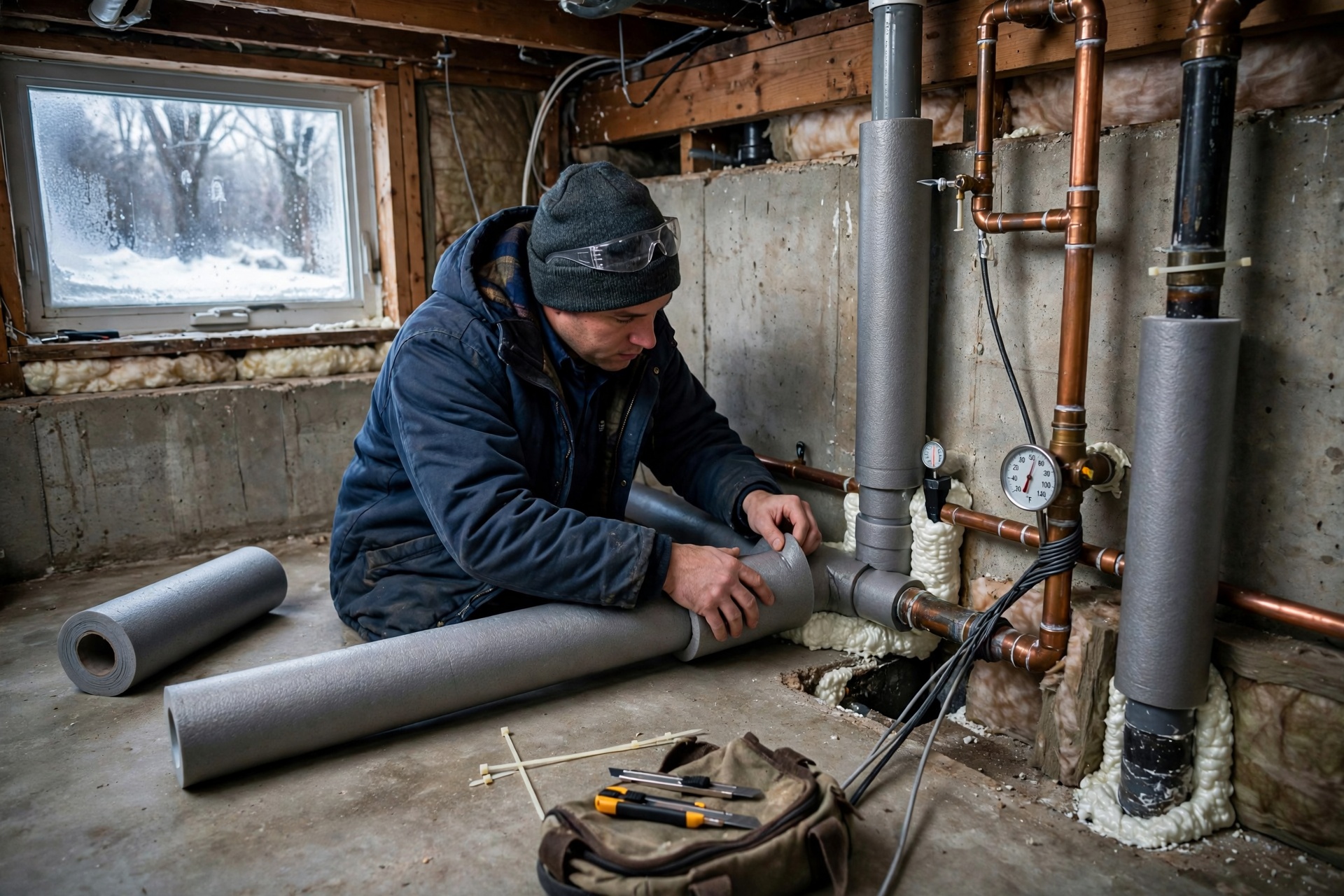
To prevent frozen pipes in Groton homes this winter, insulate exposed lines and keep indoor temperatures above 55°F during cold snaps, especially in older housing stock common throughout New London County. The area's humid continental climate moderated by Long Island Sound means temperatures can drop sharply at night even when daytime feels milder, putting supply lines in unheated basements and crawl spaces at risk. Homes in neighborhoods such as Groton Long Point and Center Groton often feature older construction with pipes running along exterior walls or through attics that lack sufficient protection.
Understanding Groton's Winter Climate Impact
Groton's location along Long Island Sound creates freeze-thaw cycles that stress pipes more than inland areas. When temperatures fall below freezing after a coastal storm, water in uninsulated lines expands and can burst. Nearby cities like New London and Stonington share similar patterns, where wind off the water accelerates heat loss from homes built before modern insulation standards. Residents in Mystic and Noank frequently see issues in crawl spaces under older cottages where soil moisture adds to the problem. Checking forecasts for sustained lows below 20°F helps time preventive actions before the ground hardens.
Identifying At-Risk Pipes in Local Homes
Many Groton houses built in the mid-20th century route copper or galvanized lines through exterior walls or unheated garages, making them vulnerable. In areas like Avery Point or near Fort Trumbull, older properties often have kitchen and bathroom supply lines running close to foundations exposed to wind. Look for pipes in attics, under sinks on north-facing walls, and in laundry rooms with exterior access. What Causes Low Water Pressure in Older Groton Houses explains how mineral buildup combined with cold can compound flow restrictions after a freeze. Homes near the Submarine Force Museum or in Ledyard often share these layouts due to similar building eras.
Practical Insulation and Heat Steps
Start by wrapping exposed pipes with foam sleeves rated for at least R-3 insulation, focusing on runs in basements and crawl spaces common in Groton Long Point homes. Leave cabinet doors open under sinks during cold nights to allow warm air circulation. Set thermostats to maintain 55°F minimum even when away, and disconnect outdoor hoses before the first hard freeze. For homes in Noank with pier foundations, add heat tape on main supply lines controlled by a thermostat that activates at 38°F. These steps reduce expansion stress without requiring full system replacement.
When to Call for Professional Help
If you notice reduced flow or hear banging in pipes after a cold night, contact a plumber promptly rather than attempting to thaw with open flames. Pipe Repair addresses burst sections before water damage spreads to floors or walls. For after-hours issues in Center Groton or Stonington, 24/7 emergency service is available to isolate the line and restore pressure safely. Emergency Plumbing crews familiar with local terrain can reach properties near Avery Point quickly when roads ice over.
Ongoing Maintenance for Coastal Conditions
Schedule annual checks of shut-off valves and water heater connections, as coastal humidity accelerates corrosion on older fittings. In Mystic homes near the water, monitor for leaks that worsen during freeze events. Linking prevention to broader system care, such as addressing low pressure early, avoids repeated winter calls. These habits keep plumbing reliable through the variable winters shaped by Long Island Sound.